
How to Build a High School Internship Program in Your Chiropractic Practice
Jan 15, 2026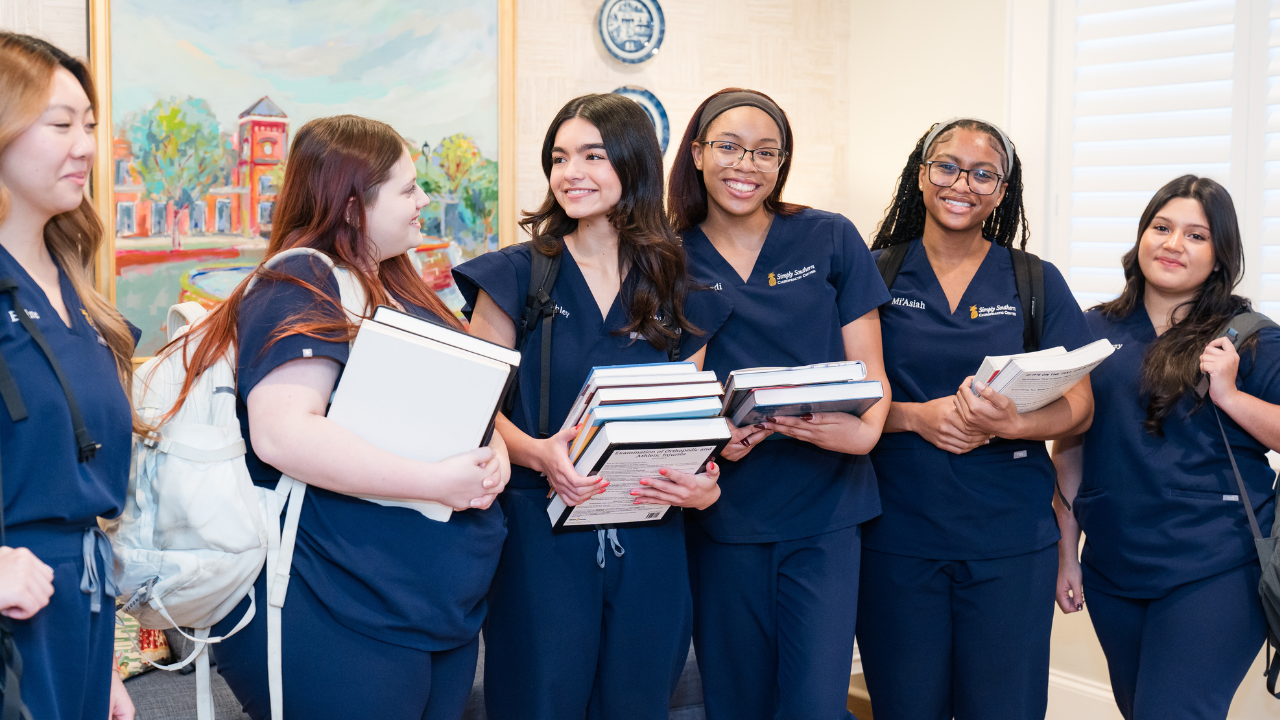
Key Points:
- A high school internship program can help your clinic build future employees, referral sources, and stronger community relationships.
- Students need clear structure, training, and life-skill coaching to become dependable team members.
- The time you invest upfront can create long-term value for your practice and your local community.
When most practice owners think about hiring, they usually picture experienced adults who already know how to function in a professional environment. But some of the most dependable long-term team members I’ve had in my clinic started with no work experience at all — they started as high school interns.
Our internship program at Simply Southern Chiropractic Center began because we needed help. Back in 2017, we were growing, our evenings and Saturdays were full, and like many practices at that stage, I needed support without taking on the cost of multiple full-time hires.
What started as a practical solution eventually became one of the most valuable systems we’ve built inside the clinic. Today, it helps us train students from the ground up, strengthen relationships in our community, and create a pipeline of future employees who already understand how our office runs and what we expect from a team member.
If you’ve ever thought about mentoring students or creating something similar in your own practice, there is a real way to do it well — but it requires structure from the start.
Table of Contents
Why a High School Internship Program Makes Sense for a Growing Clinic
How Our Internship Program Started
Building Relationships With Local Schools
How We Interview and Select Students
Why Parent Involvement Matters
Training Students From the Ground Up
Teaching More Than Chiropractic Skills
What Makes an Ideal Student Intern
Why a High School Internship Program Makes Sense for a Growing Clinic
One of the biggest things I’ve learned is that if you’re willing to teach, high school students can become incredibly valuable to your clinic. They often have energy, curiosity, and a willingness to learn that you don’t always find when hiring someone who already has years of habits from previous jobs.
They also tend to be available during the exact hours many clinics need the most help — afternoons, evenings, and Saturdays. For us, that was a huge advantage early on.
But beyond simply helping cover shifts, an internship program creates something much bigger. It allows your clinic to become part of your local community in a meaningful way. You are not just offering a student a job — you are offering mentorship, exposure to healthcare, and life experience they may not get anywhere else.
That creates goodwill not just with students, but with families, schools, and eventually the broader community.
How Our Internship Program Started
When we first started this program, the motivation was simple: I needed help, and I did not have unlimited resources.
At that time, our interns were free. Over time, as the program proved itself and became more structured, we transitioned to paying students — and now we pay them well because they truly contribute to the clinic.
What surprised me early on was how quickly students can grow when they are trained properly. If you build the right systems, they often become incredibly dependable because they learn your expectations from day one instead of trying to unlearn habits from previous workplaces.
Some students have stayed with us long-term. Others have gone to college and continued part-time. Some have moved into larger clinic roles after graduation. That kind of growth creates a stability that is hard to achieve when you constantly have to hire externally.
Building Relationships With Local Schools
If you want to build a program like this, the first step is reaching out to your local school districts and career centers.
That relationship matters because schools are often actively looking for businesses that can offer students meaningful opportunities. We started with one district and now work with three.
Our internship opportunities are posted through school channels, and students sign up to interview with us directly. We also attend school career events, and I always encourage making your presence inviting. We decorate our table, make it visually appealing, and create something students want to walk up to.
You may be one of very few healthcare businesses there, which immediately makes your clinic stand out.
That first interaction is important because students are often deciding whether they can picture themselves in your environment before they even speak to you.
How We Interview and Select Students
The interview process needs to feel approachable because most of these students have never interviewed for anything before.
We usually start by asking simple questions about school, hobbies, and what they enjoy doing. That gives us a sense of personality and helps them relax.
Then we move into practical questions about availability, transportation, and whether the hours actually fit their life. We also walk through scenarios because their answers tell you a lot about maturity and communication.
For example, we may ask how they would contact an employer if they were sick or what they would do if they were running late. This helps us see how they think, and it also helps them begin to learn what professional communication actually looks like. Even students who are not selected leave the interview having learned something valuable.
Why Parent Involvement Matters
One of the most important changes we made over time was adding a second step that requires a parent or guardian to come to the office with the student.
If we think a student is a good candidate, they tour the clinic with a parent, and we go through exactly what the internship requires. We discuss HIPAA expectations, scheduling, transportation, and responsibilities.
This step matters because student enthusiasm alone is not enough. If the parent does not understand the commitment, problems often show up later.
Reliable transportation is especially important. A student may want the opportunity, but if the logistics are unstable, attendance becomes difficult quickly. Parent support makes the entire process stronger from the beginning.
Training Students From the Ground Up
We train students for eight weeks before expecting them to function independently.
That training covers anatomy, physiology, answering phones, patient interaction, office systems, and basic chiropractic assistant responsibilities. Depending on your state laws, students may be able to do quite a bit clinically. In South Carolina, we are able to train students extensively, which allows them to become highly useful inside the clinic.
The biggest key is having a clear onboarding process. If you expect students to simply figure things out as they go, they will struggle. If you build structure, they usually rise to it faster than you expect.
Teaching More Than Chiropractic Skills
A large part of this program is teaching life skills many students simply have not developed yet.
You may need to teach things adults often assume should already be understood: how to show up on time, how to communicate professionally, how to dress appropriately, how to keep scrubs clean, and why hygiene matters in a healthcare setting.
When a student is late, I don’t immediately treat it like defiance. I want to understand why. Did they oversleep? Did transportation fall through? Do they need to set another alarm? Those conversations matter because they teach responsibility in real time.
And honestly, those lessons often become just as valuable as the healthcare exposure itself.
What Makes an Ideal Student Intern
We generally require students to be at least 17 years old and to have reliable transportation, ideally their own vehicle. A junior in high school is often ideal because you have more time to invest in them before graduation.
We also pay close attention to how overloaded their schedule already is. A student heavily committed to multiple school activities often reaches burnout quickly.
The strongest candidates are usually the ones who are ready to commit, eager to learn, and willing to take the role seriously.
How an Internship Program Helps Your Clinic Long-Term
The long-term value of this kind of program is much bigger than many practice owners realize.
Some students stay and grow into front desk roles, billing roles, and eventually management positions. Others leave but remain deeply connected to your clinic.
They talk about your office in the community. Their families refer people. Their friends become patients. And years later, some of these students may become professionals you work with again in entirely different ways.
That student may one day become your dentist, your attorney, or another healthcare provider in town. It’s important to remember that you are building relationships that often outlast the internship itself.
Getting Started in Your Own Community
Building a high school internship program has been one of the most rewarding things we’ve done inside our clinic. It takes time, patience, and a willingness to teach things that go far beyond chiropractic. But over time, the impact reaches far beyond filling shifts or training staff.
You are helping shape young people early in their working lives, and in many cases, they become some of the most loyal and valuable people connected to your clinic.
That kind of investment changes your culture, your community presence, and often your future hiring pipeline in ways that are hard to replicate any other way.
If you want to build stronger systems inside your clinic — from staffing to leadership to long-term growth — our Owning a Chiropractic Practice course will help you do exactly that.
The stronger your systems are, the easier it becomes to grow the right team around you.

