
Chiropractic Professionalism: How to Present Yourself Like the Doctor You Are
Aug 15, 2025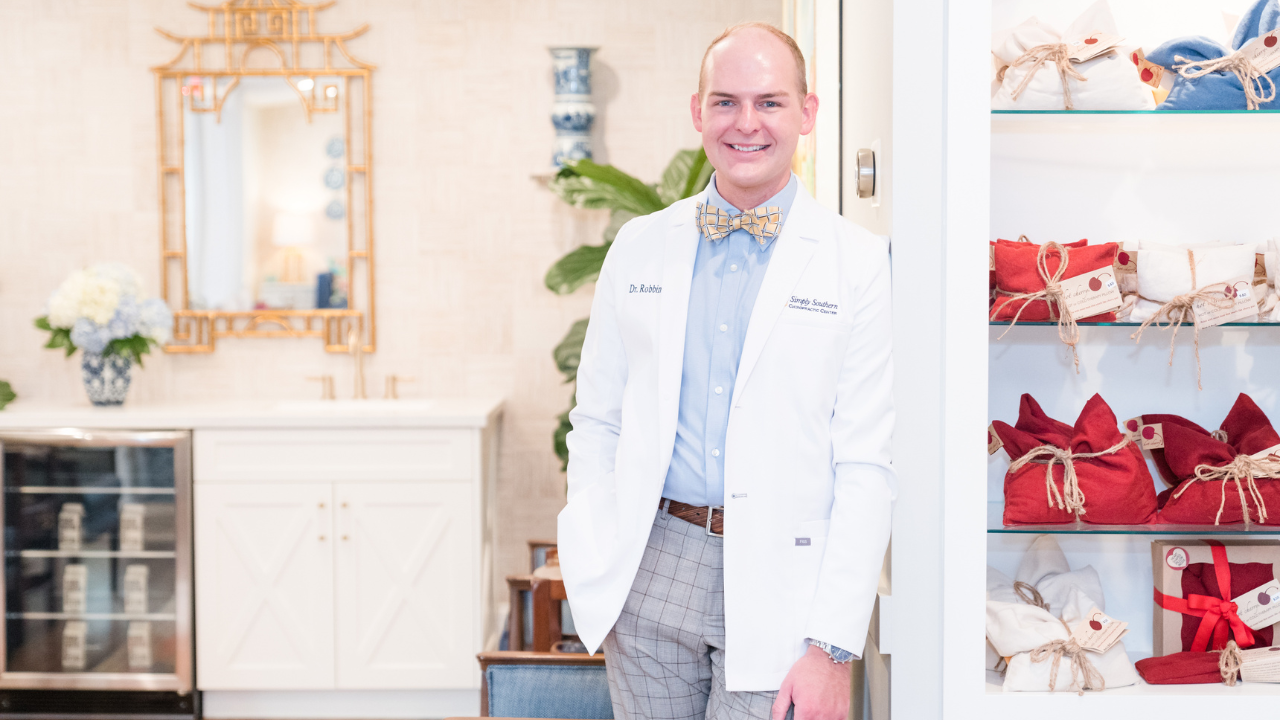
Key Points:
- First impressions matter—patients instantly judge your professionalism and make assumptions about you and your practice.
- Dress and act like a healthcare provider to gain trust and authority. Set the tone before it is set for you.
- Your office environment should look and feel medical, not casual or worse, sloppy.
- Clean, polished appearances build patient retention and respect—patients will treat you as a doctor when you present yourself as one.
As chiropractors, we know the value of adjusting the spine, restoring alignment, and helping our patients live healthier lives. But here’s the truth: before a patient ever experiences your care, they’re judging something else—your professionalism (or lack thereof).
From the way you dress, to how your office looks, even how you refer to yourself, these details play a huge role in whether patients trust you and whether the general public sees chiropractic as a respected form of healthcare. It’s easy to think you don’t have an impact on the wider public perception around chiropractic care, but if you are a chiropractor seeing patients, you do.
Dr. Duncan is passionate about raising the bar for chiropractors everywhere, and in this post, we’ll walk through how you can elevate your practice by presenting yourself like the doctor you are.
Table of Contents
First Impressions Matter in Chiropractic Care
Dress Like a Doctor, Because You Are One
The Importance of Hygiene and Personal Presentation
Creating a Professional Office Environment
How Professionalism Impacts Patient Retention
Titles, Names, and Communication Etiquette
First Impressions Matter in Chiropractic Care
When a new patient walks into your office, they’re not just looking for pain relief—they’re scanning for signs of credibility and professionalism. Whether they realize it or not, patients expect a healthcare environment from a chiropractor, and if what they see doesn’t match what they’d experience at their primary care doctor’s or dentist’s office, it seeds doubt in their minds about your credibility as a doctor. (Especially if they already have misconceptions about chiropractic care to begin with.)
That first impression sets the tone for the entire relationship. Present yourself as a polished, confident healthcare provider, and patients will be more likely to trust your care—and return to your office for further treatment.
Dress Like a Doctor, Because You Are One
It’s simple: if you want to be treated like a doctor, you need to look like one. That doesn’t mean wearing a full suit every day—but it does mean no workout clothes at work. Patients are expecting a doctor, not a personal trainer. The exception to this rule is if you are a clinic that focuses mostly on an athletic population, then branded polo golf shirts are okay.
For men, that may look like dress shirts and slacks with dress shoes. For women, professional blouses or tops with tailored pants and clean, polished footwear. The goal is to look neat, comfortable, and professional.
The Importance of Hygiene and Personal Presentation
Professionalism goes beyond clothes. Personal hygiene matters—a lot. You need to be conscious of how you smell, how your hair looks, and whether your clothes are clean and wrinkle-free. Patients notice the details.
That means wearing deodorant, keeping hair neat, and making sure your staff follows the same standard. A touch of makeup for women or a well-groomed appearance for men shows you’ve taken the time to present yourself with care. Even the smell of your office plays a role—Dr. Duncan’s team uses deodorizing essential oils to keep their space fresh and inviting.
Wanting to avoid too many personal care products with less-than-clean ingredients is understandable, but you have to make sure you smell good and your appearance is well-kept. Body odor shouldn’t be the reason your patients leave your practice and don’t come back.
Titles, Names, and Communication Etiquette
How you refer to yourself also matters. Dr. Duncan makes a strong point: never call yourself “Dr. First Name.” It sounds childish, like how a kid might refer to you. Patients don’t hear authority in “Dr. Bob”—they hear a lack of professionalism (even if it’s subconscious!).
The standard should be “Dr. [Last Name],” just as you’d expect from a physician or dentist. If you want to be more casual, drop the title entirely and go by your first name—but never combine the two.
Creating a Professional Office Environment
It might be a hard truth to hear, but your office is a direct reflection of your practice. If your adjustment tables are covered in duct tape or your waiting room looks like a college dorm lounge, patients won’t take you seriously.
Instead, invest in an environment that feels like a medical office. That means clean, updated furniture, a stocked coffee or water station, fresh business cards, and re-covered adjustment tables. The details matter—patients notice whether your office is polished or just patched together.
Know your office needs updates but not sure where to start? Start with the bigger scale items—your adjustment tables, lobby furniture, and front desk. These things are what attract patients’ attention first. For an older space, a fresh coat of white paint on the walls can go a long way. Keep things minimal, clean, and neutral—no shockingly bright colors or loud prints. Think about creating a space that helps patients feel calm and happy to be there.
How Professionalism Impacts Patient Retention
When patients feel like they’re in a professional healthcare environment, they’re more likely to come back. A clean, organized office signals that you take their care seriously. On the other hand, if things look sloppy, patients subconsciously associate that with sloppy care.
Retention isn’t just about great adjustments—it’s about the overall patient experience. Professionalism reassures patients they’re in good hands.
The Bottom Line: Professionalism Builds Trust and Respect
At the end of the day, professionalism is about self-respect. If we want chiropractic to be recognized as a respected medical profession, we have to show up like professionals.
Patients will treat you as a doctor when you look, act, and present yourself like one. That professionalism builds trust, strengthens retention, and elevates the reputation of chiropractic care as a whole.
Less than 15% of the American population uses chiropractic care. What an amazing opportunity we have as a chiropractic profession to grow and impact more lives. But it all starts with gaining the respect and acknowledgement chiropractic care deserves, and that means looking and acting as a healthcare professional.
Remember: First Impressions Are Lasting Impressions
First impressions stick. Patients expect their chiropractor to look and act like a doctor, and when you rise to that expectation, you build trust, retention, and long-term respect for yourself and the profession.
It starts with the basics: your clothes, your hygiene, your office environment, and how you communicate. Seemingly small changes in professionalism can have a big impact on the future of your practice.
Take Your Practice to the Next Level
📣 Ready to grow your team before you ramp up outreach?
⬇️ Download our free Hiring Funnel Guide — the step-by-step system to attract, vet, and hire your next A-player.
📈 Want to fast track your clinic growth? Learn more about coaching with Dr. Duncan →

